Previously: An Ode To The Travel Channel’s October Programming.
What would you be willing to do for $5,000? Would you be willing to spend the night in an eerie, abandoned location? What if it was also allegedly haunted? And would you be willing to do it with only a handful of strangers for company? Not even if something were to… go wrong while you were there? If your answer to any or all of those questions is yes, then you might have been a good candidate for the early 2000s paranormal reality show MTV’s Fear — especially if you were willing to go even further than just all that.
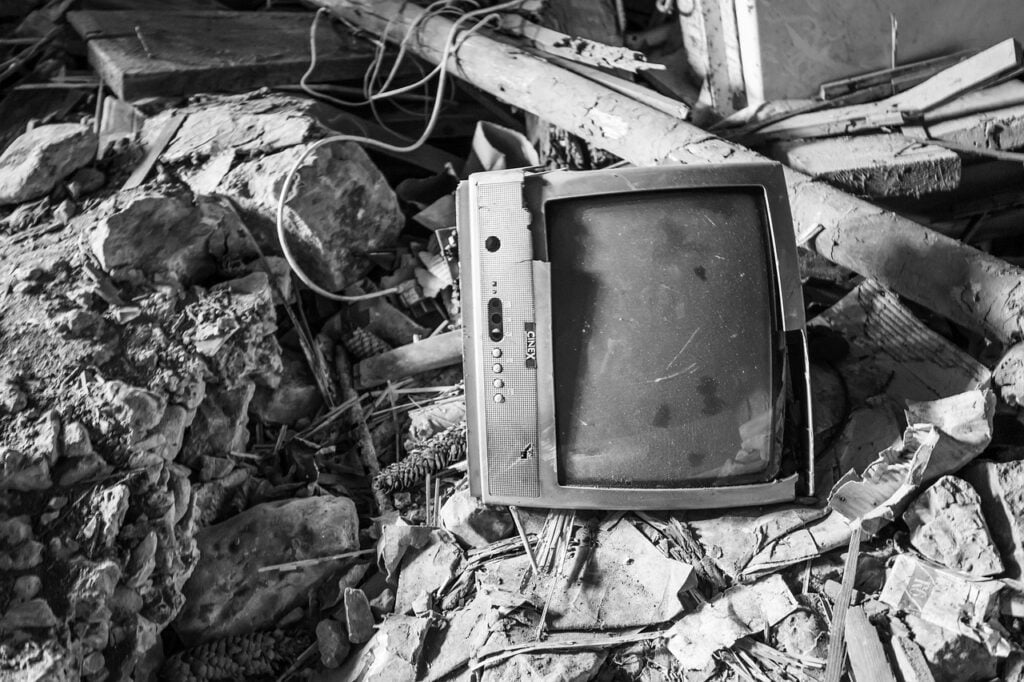
An early trailblazer in both reality television more broadly and ghost hunting paranormal reality TV in particular, MTV’s Fear originally aired between Sept. 21, 2000 and April 28, 2002. It occupied the 8pm ET Thursday night timeslot — a competitive time to be broadcasting — and featured a premise that was complicated by most reality TV standards even then: A group of people were brought to an old, often abandoned, allegedly haunted location; they were fitted with high tech equipment to record their experiences; and they were tasked with performing numerous “dares” throughout the night as they “investigated” each location to determine whether or not they really were haunted.
[Like what you read? Check out Dangerous Games To Play In The Dark, available from Chronicle Books now!]
What kind of dares, you ask? Things like sitting alone in the dark for hours in a solitary confinement cell in one of the most notorious prisons in America. Or performing a blood ritual you might not fully understand with nothing but the moon to light your way. Or climbing atop a 30-foot tower and standing, poised, right at the precipice, with nothing at all to keep you from going over the edge, were you to lose your footing.
Those who appeared on the show didn’t just do it for the thrill of it, though, or even for bragging rights: Any contestant who made it through the entire night was set to win $5,000. They could leave at any time, though if they quit before the night was over, they also forfeited the prize. $5,000 in 2000 is roughly equivalent to $9,500 today, so while it perhaps wasn’t change-your-life money, it also wasn’t chump change… although not everyone who made the casting cut decided that it was worth it in the end.
That was the gimmick here, after all: As the show’s tagline stated, the people were real. The places were real. And the fear was real.
…Mostly.
Although you’d think that all of that would make for riveting reality programming, Fear ran for just two seasons and a total of 16 episodes. What’s more, it’s never seen a full DVD release; so, although it’s fairly readily available to watch these days on YouTube and the like, the videos are all ripped from episodes taped off of the actual television, and, as such, aren’t great quality.
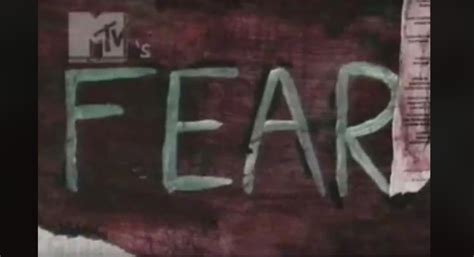
In fact, in many ways, MTV’s Fear has been all but forgotten in the pantheon of reality TV pioneers — but I think it’s an important one all the same, both for its specific niche and for the wider reality television landscape. And on a more personal level, it’s a show I loved while it was airing and miss even now, although it also very much had its failings and doesn’t always hold up particularly well today.
Because that’s the thing: MTV’s Fear was, for better or for worse, a product of its time — a show I think could only have existed in the form it took at the particular time that it aired.
So, in honor of the Halloween season, let’s take a look at it, shall we? Let’s take a look at what made Fear special — and why it ultimately couldn’t exist at any other time.
Realer Than Real: MTV, The Real World, And The Rise Of Reality Television
An early innovator of reality television, MTV aired its first season of a then-novel program that recorded a group of strangers — all young adults, none older than 26 and the youngest of whom was 19 at the time of filming — as they went about their lives together sharing a loft apartment in New York’s SoHo neighborhood in 1992. Called The Real World, the series would go on to become a template and a trope-maker for reality television, with many of the now-common conventions of the genre — notably the use of confessional interviews to serve as a sort of framing device for the various “plot points,” for lack of a better term, of each season’s overall “story” — seeing early use here.
The thing about The Real World, though, is that, particularly in its early seasons, there was significantly less interference from the production team to create drama and antagonism between the show’s cast members than has since become the norm for reality programming. Whereas later reality TV staples like ABC’s The Bachelor franchise, which began airing in 2002, Bravo’s The Real Housewives franchise, which kicked off in 2006, and even MTV’s own Jersey Shore, which aired its first season in 2009, have all thrived on manufactured conflict — either created by production itself, or by cast members who have learned over the years that the key to becoming a household name in the reality television game is to stir the pot frequently and vigorously — The Real World in its original incarnation sought to do the opposite.
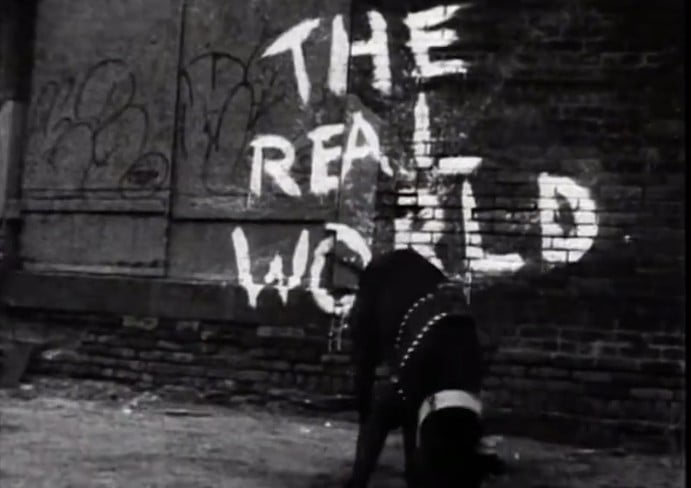
It turned out, though, that this style of production didn’t always make for particularly entertaining television. Indeed, if you go back and watch these earlier seasons of The Real World yourself, you’ll probably find them somewhat boring when held up against the highly dramatized reality programming of today.
And critics certainly latched onto that fact: Early reviews of the show almost universally remarked upon the relative lackluster-ness of the whole thing. Matt Roush, for instance, writing in USA Today of that first season in New York, noted that for him, the show failed on two fronts: He found it worked neither “as documentary (too phony) [nor] as entertainment (too dull).”
More tellingly, though, is what John O’Connor observed in the New York Times of that same season:
“But try as it might, The Real World cannot be soap opera. There are no writers here who can manipulate incidents with a flip of a word processor. The producers would no doubt have been delighted to get an affair started between any two of the seven roommates, but these are people whose lives are not scripted, who refuse to be stuffed into neat story lines.”
This observation puts The Real World: New York in stark contrast to later reality TV. The reality programs of today are well-known for their behind-the-scenes manipulation, both on set and in the editing bay, with the aim ultimately being to do just that: Script its cast members’ lives and stuff them each into neat story lines.
By roughly the fifth season — Miami, which aired in 1996 — The Real World did start introducing gimmicks and manufacturing situations and circumstances designed to elicit more exciting scenes, though it would still be some time until the heavily constructed storylines and character varieties that typify later reality TV would appear.

But this, then, is the context in which MTV’s Fear sits. It occupies something of a middle ground, arriving at a time when the reality TV format was still in its early evolution — which, I would argue, is what made it so unique. That, combined with the then-recent success of The Blair Witch Project and a growing thirst for horror media that blurred the lines between fact and fiction meant that the time was ripe for programming that walked those types of tightropes.
Enter MTV’s Fear, and all of its claims: That the people, places, and fear were all real.
Even if they sometimes… weren’t.
Laying The Groundwork: Making The Fear Real
The question with reality TV is always about how much reality is actually present — and in the case of Fear, it’s something of a mixed bag, despite all of its lofty claims. Because that’s the thing: There was some manipulation; it just wasn’t manipulation in the way reality TV tends to operate today.
It’s true, for instance, that production did prepare — and, in some cases, completely fabricate — the backstories for the locations in which they shot; it’s true that the locations would be prepped with props and set dressing ranging from Ouija boards to goat’s blood; and it’s true that great care was taken to prime the cast members so they would be as impressionable — and therefore as easy to scare — as possible.
On this last point, techniques included isolating cast members from both their actual lives and from each other before their arrival on location; doling out information sparsely and infrequently; and generally eliminating any sense of safety they might have been able to have. Said director Luis Barreto to Mental Floss in 2018 for Jake Rossen’s excellent oral history of the show:
“We told them, ‘Be ready to go. Bring one bag. Don’t bring a phone. Tell your friends they won’t hear from you for five days.’ They’d get taken somewhere, get blindfolded, go to a hotel room with no television, and left alone for 48 hours.”
Nothing communicates “You are not safe here” like what’s functionally a kidnapping!
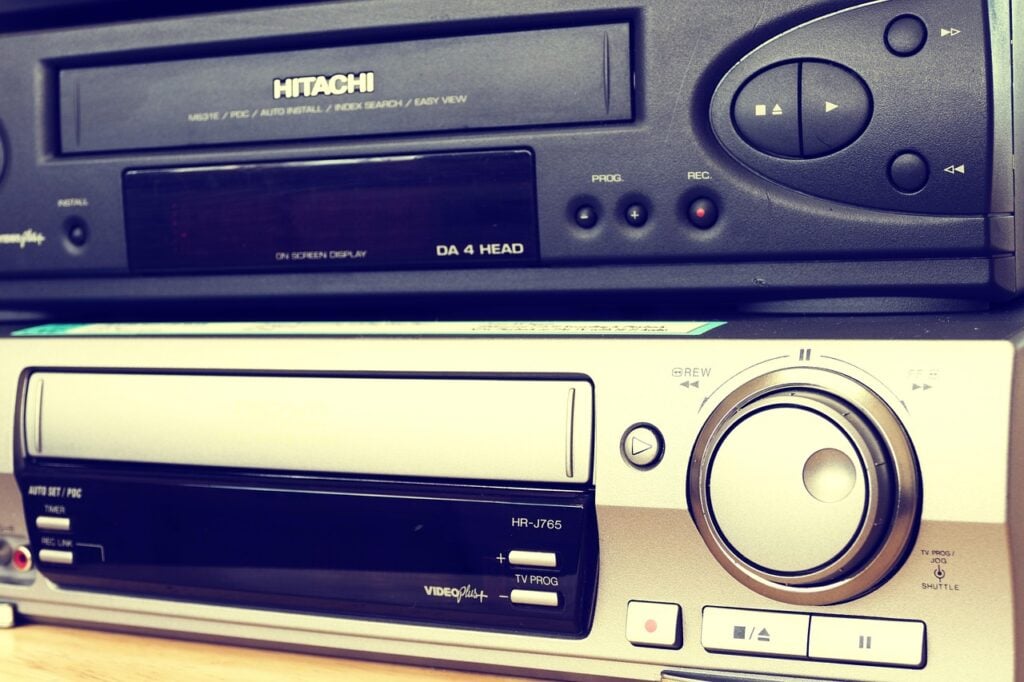
Added series co-creator and co-executive producer Eric Manes, “They had a VCR in the hotel room or safe house, but they could only watch horror films.” Diabolical, truly.
But unlike many other paranormal reality shows, both contemporaries of Fear (looking at you, Scariest Places On Earth) and those which came later, Fear’s production crew generally did not manipulate the environment during filming.
There were, apparently, some exceptions, though these were few and far between. As segment producer Jonas Larsen put it to Mental Floss in 2018, “There might be some well-placed sounds or something mechanical, where you’d brush your leg against something. Sometimes we’d use things like that.”
But, he continued, “for the most part, it was their own imagination” — and there’s the rub. Generally speaking, if weird noises were recorded during the shooting of an episode, they were naturally occurring, not created by a crew member rattling chains or anything. If doors suddenly closed of their own accord, it was due to a draft, or the building settling, or the like, not an action triggered with a remote control, or even good old fashioned fishing line. If the cast members’ radios cut out, it was because they were somewhere the signal naturally had a hard time getting through, not because communication was cut on purpose.
As editor Craig A. Colton described to Mental Floss, “We never said that we would show you ghosts. What we said was, ‘We told the contestants there are ghosts. Now watch them freak out.’”
Or, per the show’s tagline: The fear was real, whether or not the ghosts were.
The key factor here was setting up the cast to feel completely isolated abandoned during filming — to make it seem like they’d been dropped into a haunted environment totally alone, even though they technically weren’t. As story editor Gordon Cassidy told Mental Floss in 2018, “With these ghost-hunting shows, one of the things that breaks the spell is the presence of a camera crew. How scared can you really be with a cameraman and soundman standing next to you?”
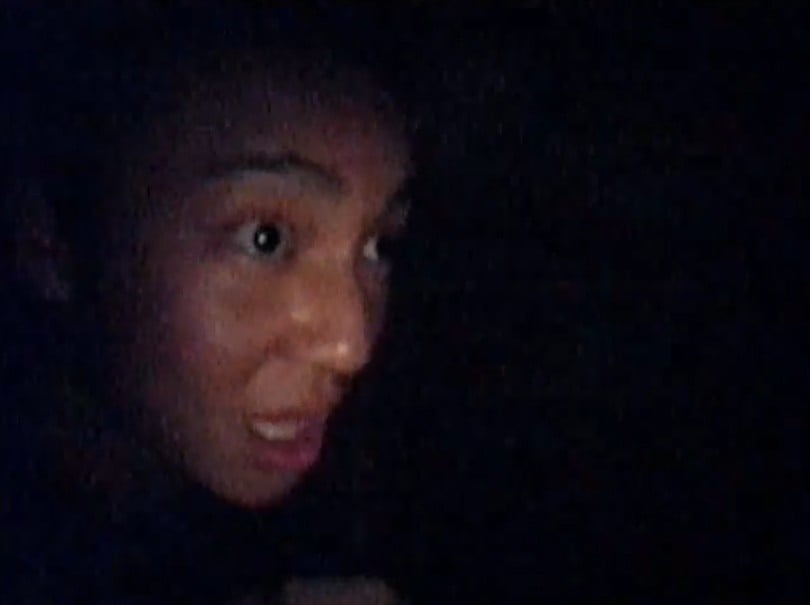
To that end, the cast were functionally their own camera crew: Footage was recorded by cameras set up in the environment or held by cast members, or by cameras the cast members wore strapped to their own chests, trained on their faces, to capture their behaviors and reactions as they went about their tasks and challenges.
All this ensured that their reactions to what they experienced would be genuine.
(There was, it seems, one production person present on each shoot to help the cast with any camera issues, though what the cast did not know was that the tech personnel was also a trained first responder of some variety. They didn’t expect any help beyond troubleshooting technical issues, because they had been told not to.)
But this is where we come back to the fact that reality television — particularly as it evolved — is often less real than its moniker might lead you to believe. So with Fear, what we do have to ask is, how real were the actual locations at which the series shot? The casts for each episode may have been primed with a mini documentary reportedly telling them all about the locations’ history and haunts — but how much of those stories actually check out?
The answer is: It’s… complicated. And it gets more complicated still when we look more closely at some of the… less real locations and how they were portrayed for the purposes of the show.
A Sense Of Place: History And Storytelling In MTV’s Fear
The thing about Fear is that while it didn’t manufacture its cast members’… well, fear, it did manufacture quite a lot in order to make that fear a possibility — including, in many cases, the allegedly haunted locations themselves.
By that, I don’t mean that they built sets or anything; the actual locations were (and are) all real places that exist in the world. Many of them do have dark histories, and even reports of alleged ghosts or hauntings. But of the 15 locations at which the show shot, eight of them — more than half — were fictionalized, often heavily. And I don’t just mean that these locations were given new names, although that was part of the package in many cases; they were also given highly elaborate backstories which, at the very least, played fast and loose with the actual histories of the locations — or, in some instances, were completely made-up.
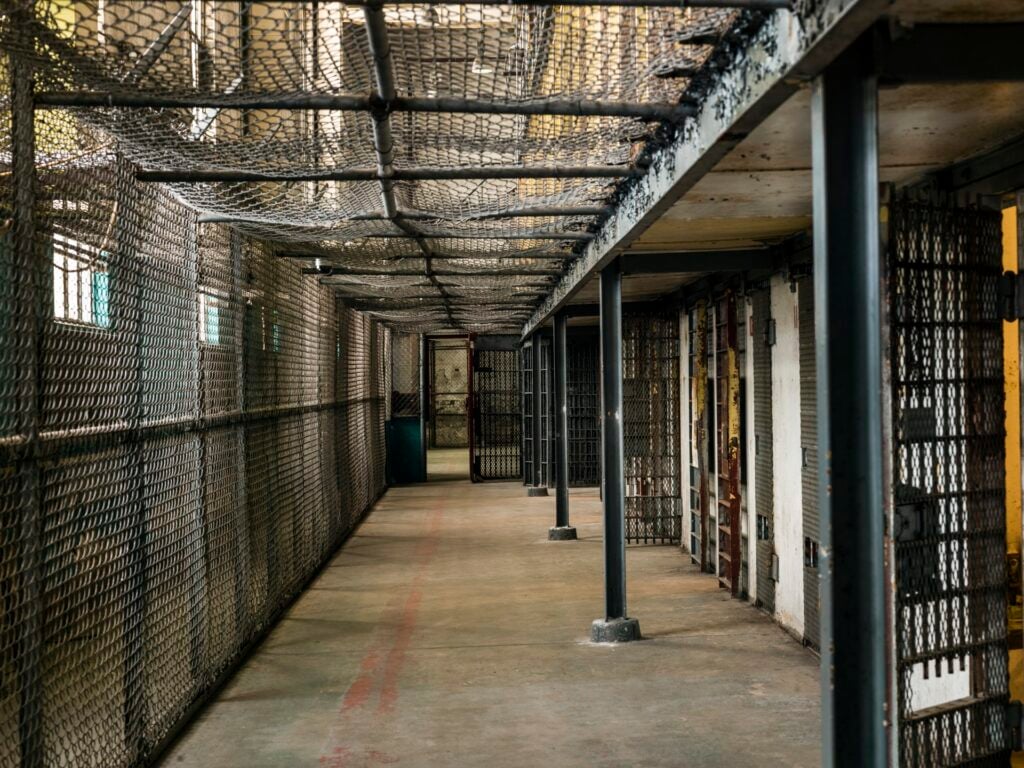
Which ones actually were real? West Virginia Penitentiary in Moundsville, West Virginia, for one; originally opened in 1876 and decommissioned in 1995, it’s allegedly home to a wide array of shadowy figures — the unrestful spirits of those who died within its walls. Buck Hill Inn in the Poconos in northern Pennsylvania is real, as well, although Fear’s claim that it played host to a whopping 73 deaths and/or murders during its lifetime is not actually the case.
The stories of the very real Eastern State Penitentiary in Philadelphia, however, do check out; its terrible history is well-documented, and reports of hauntings have accordingly existed for years.
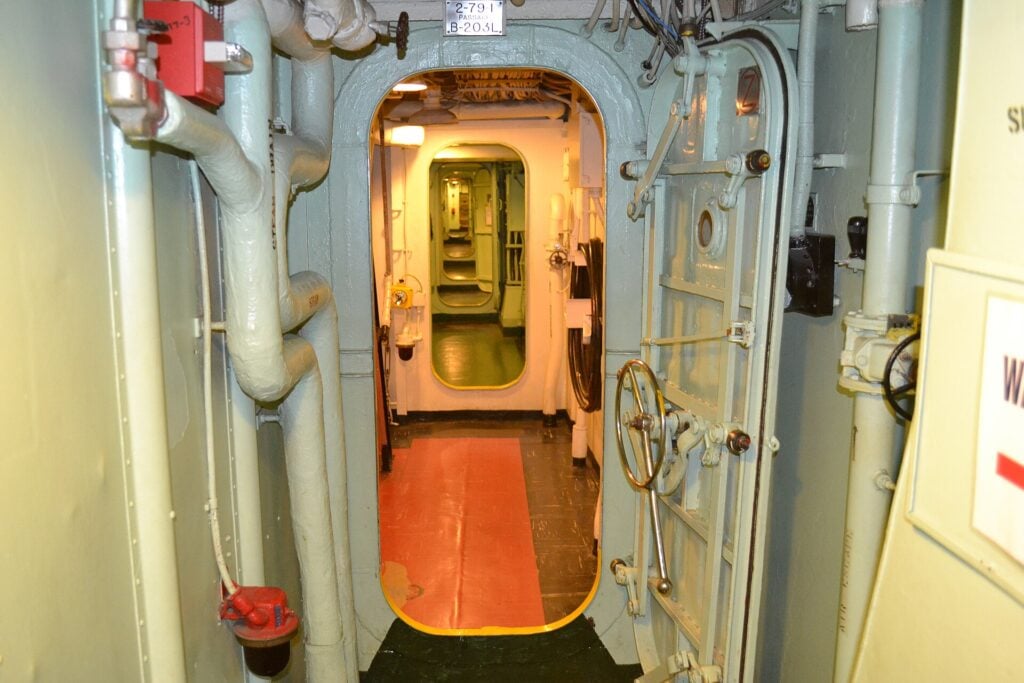
The USS Hornet, docked off the coast of Alameda, California, is also real, and allegedly one of the most haunted ships in America; the same is true of Civil War-era fortress Fort Gaines on Dauphin Island, Alabama, which, in addition to its historical past, boasts the usual tales of ghostly gunshots, cannon fire, and apparitions common to such sites.
Meanwhile, in season two, the real locations are the ones in Mexico: Mina Dos Estrellas in Tlalpujahua — a location infamous for the fact that a second episode needed to be shot there with an entirely new cast, due to the first cast all having quit before the end of the investigation — and Hacienda Tabi on the Yucatán Peninsula. Both are historic sites which were in operation until the 1930s, Mina Dos Estrellas as a gold mine and Hacienda Tabi as a plantation and cattle ranch. The mine is now a museum, while the remains of the plantation are a protected natural area.
Both also have haunted reputations due to their histories: The mine, you see, closed due to a flood-induced collapse which killed hundreds, while the plantation, which was owned by the descendants of Spanish colonizers, ran primarily on the labor of exploited, functionally enslaved Indigenous peoples.
That leaves the following as the locations with varying degrees of fictionalization: “St. Agnes Hospital for the Chronically Ill,” “Duggan Brothers Cement Factory,” “Hopkins Military Academy,” “Camp Spirit Lake,” “Boettger Brewery,” “La Guerre Planation,” “Ki Sugar Mill,” and “Serenity Lake Sanitorium.”
Here, too, is where things get a little… questionable, in ways that really drive home the fact that Fear, in the form it took, could only have existed at the particular time that it did.
The Places Are Real, Except When They’re Not: Fictionalization And Ethical Dubiousness In MTV’s Fear
Some of the liberties taken with each location were more egregious than others. On a scale of “Understandable, if a little misguided” to “OH NO, why would you do that???,” they run the gamut between both extremes.
“St. Agnes Hospital for the Chronically Ill” — actually Fairfield State Hospital in Connecticut — arguably featured the least amount of fictionalization. Its name was changed at the behest of the Connecticut state government — because “it was an old, abandoned mental institution where horrible things happened and they didn’t want it to look bad for the state,” per executive producer Dawn Olmstead speaking to Mental Floss, though associate producer Alissa Phillips also noted that when the show renamed places in general, it was largely “for security reasons” (that is, to protect it from trespassers, vandalism, and the like). Its operating years were also fudged; the episode claims it closed in 1972, but it actually operated until 1995. Other than that, though, the facts remained mostly the facts.
It’s worth noting that changing the name of a location to protect it both was and is a fairly common practice. These days, though, there’s a lot more transparency about it — that is, when a show, film, or other form of media has changed the name of real-life location for these kinds of reasons, it’s usually disclosed. Fear, however, didn’t do that, and while that’s something that, again, very much marks it as a product of its time — when the convention was to blur the lines between fact and fiction as much as possible without much of a mind towards the ethics of doing so — it’s still something that doesn’t hold up particularly well all these years later.
But things get weirder the deeper you go. The location identified as the “Duggan Brothers Cement Factory,” for instance, which is believed to be the Ideal Cement Company in Castle Hayne, North Carolina, is basically an entirely made-up place as it appears in Fear. Although it is true that working conditions at Ideal were… not great — said 15-year company veteran Willis Haynes to local NPR outlet WHQR in 2009, “It’s the only place in the world I knew where you could be wading in mud waist-deep, dust blowing in your eyes, freezing to death on the bottom, and the skin actually being drawn off of you from the heat on top” — there’s nothing anywhere in the place’s history that actually lines up with the story given to the Duggan Brothers Cement Factory in the episode of Fear in which it appeared. All that stuff about one of its former owners walking off a tower on the night of a blood moon at the urging of the angry spirits allegedly haunting the place? The story that made cast member Jason Dinant quit the investigation during his dare? There’s no record of any of that actually occurring.
It does look the part, though — and, indeed, the Ideal plant has served as a shooting location for a wide array of television and film productions since its closure in 1982, including the 1990 Teenage Mutant Ninja Turtles movie, 1994’s The Crow, and the early 2010s television adaptation of Stephen King’s Under The Dome. So, y’know. There’s that.
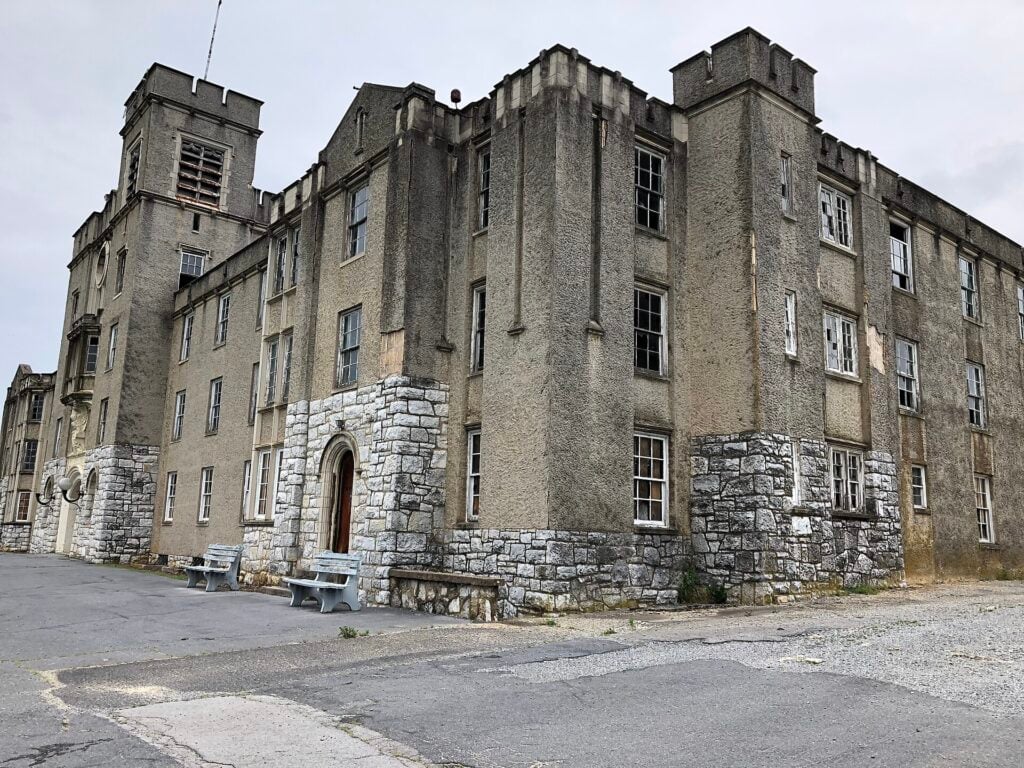
“Hopkins Military Academy,” meanwhile, is actually Augusta Military Academy in Fort Defiance, Virginia — and it, too, is pretty much entirely made-up as it appears in Fear. Established in the 1870s and in operation until 1984, it does have a long history, the early parts of which are inextricably tied up with the American Civil War (and which, therefore, is its own brand of all-too-real horror); however, all of the occult nonsense and “Captain Cochrane” stuff the show staked its horror on was pure fiction. The academy is a museum now, for the curious.
Perhaps most controversial is the location identified as “Camp Spirit Lake.” Actually Camp NoBeBoSco in Hardwick Township, New Jersey, this classic summer camp was also the shooting location for the original Friday the 13th movie — although that’s not the reason this particular episode has, uh, perhaps not aged terribly well. Camp NoBeBoSco itself has no history of any hauntings; the story given to Camp Spirit Lake, however, was a fictionalized version of a real-life tragedy, which, then as now, was at best an ethically dubious choice, and at worst, straight-up exploitative.
The story in question is based heavily off of the then-unsolved 1982 murder of a 17-year-old girl known for decades only as “Princess Doe.” “Princess Doe’s” remains had been discovered in Ceder Ridge Cemetery in Blairstown Township, New Jersey shortly after her death, but both her own identity and that of her killer went unknown until 2022. She has now been identified as Dawn Olanick; her killer has also since been brought to justice.
It’s always questionable to repackage a real-life tragedy for entertainment purposes, but it’s even more so when the tragedy isn’t that far in the past. Even now, the Dawn Olanick case is still quite recent; had she survived, she would only be in her early 60s today. And in the early 2000s, when Fear was airing? It would have been more recent still. Not a great choice!
The “Boettger Brewery” episode, meanwhile, also remains somewhat uncomfortable. The brewery is actually the Lemp Brewery in St. Louis, Missouri, which does have a weird history all its own — but although the episode avoided falling into the “too soon” trap, thanks to the fact that there was roughly a century between most of that history and when Fear was airing, it did still have plenty of problems. The issue main here was with the use of the… let’s call them embellishments that have been made to the tale of the unfortunate Lemp family over time — embellishments Fear leaned into hard. And, honestly, the actual history of the Lemp family is bizarre enough that they probably didn’t even need to do that to make an effective episode.
Where’s the line between fact and fiction here? The truth is that many of the Lemps did die young, and often under somewhat unusual or mysterious circumstances at that; furthermore, some of these untimely deaths followed one after the other so quickly that it’s perhaps understandable that rumors of a curse plaguing the family kicked up after a while. People deal with things that are otherwise beyond their comprehension in some weird and creative ways.
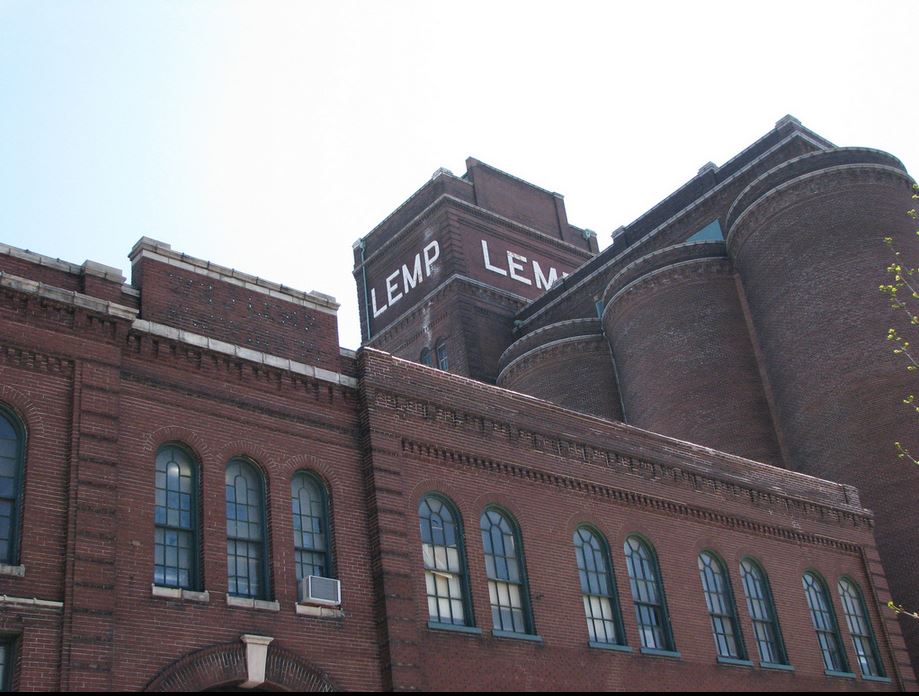
The whole “Monkey Boy” thing, though? That, uh… probably didn’t actually happen. It’s also an extremely ableist and stigmatizing story that definitely doesn’t need to be passed around anymore (and, indeed, probably shouldn’t have been passed around at all in the first place).
It is worth noting that several of the fictionalized locations did have plenty of real horrors behind them. “La Guerre Planation,” which is believed to be the Desert Plantation in St. Francisville, Louisiana, and “Ki Sugar Mill,” which is believed to be the Haʻikū Sugar Mill in Maui, Hawai’i, for instance, are both… well, plantations; both ran on slave labor, and accordingly have all the horrifying history that goes along with that. For the Louisiana plantation, it’s the American slave trade and Civil War variety, while for Haʻikū, it’s a case of white colonizers controlling the sugar industry in Hawai’i.
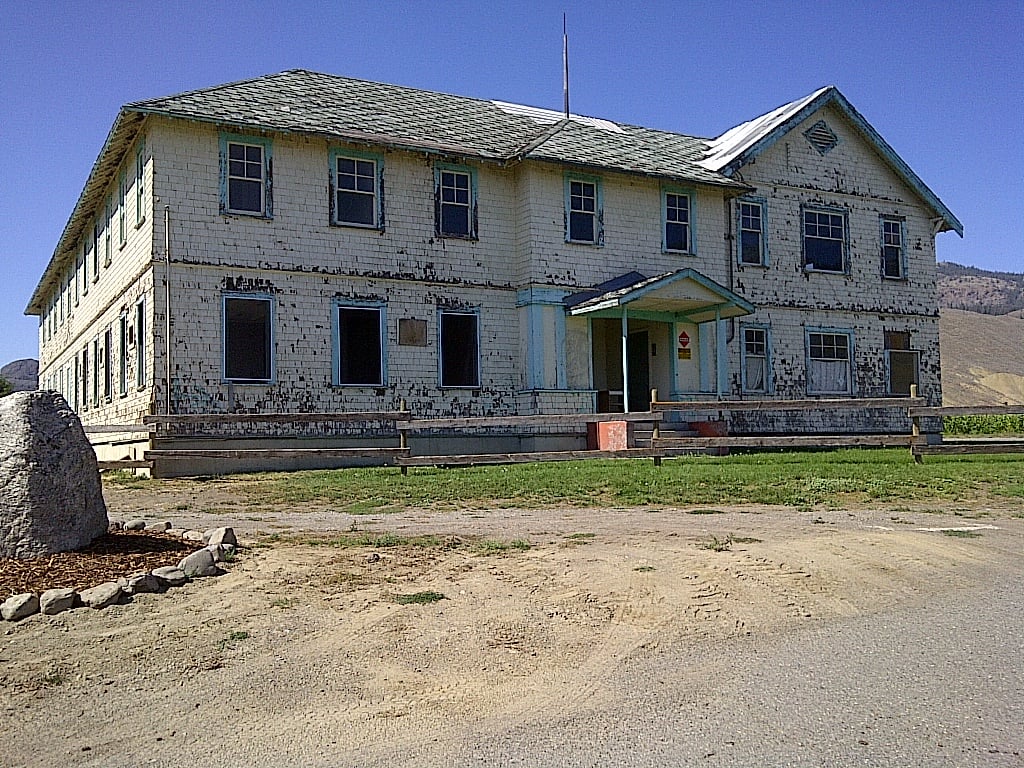
And the “Serenity Lake Sanatorium?” That was actually King Edward VII Sanatorium, later called Tranquille Sanatorium, in Kamloops, British Columbia, Canada, which has in its past both the horrors of medical history more broadly and psychiatry medical history specifically; it was also built on land stolen from Secwépemc peoples. As is the case with most of the other locations used in Fear that were given boogeyman figures for their backstories, however, there’s no evidence for any of the “Pigman” stuff the show capitalized on here.
Patterns In The Dark: The End Of Fear, And Other Beginnings
Looking at the wide-ranging tales pinned to some of the locations used for MTV’s Fear, I did start to wonder whether there was a pattern when it came to how heavily fictionalized any given place’s story became. Where I ultimately landed on that was: Sort of.
From what I can see, the places that had horrifying enough histories on their own — largely plantations or medical facilities of particular eras, like “La Guerre Plantation,” “Ki Sugar Mill,” and “St. Agnes Hospital for the Chronically Ill” — leaned much less into obviously manufactured legends; purely by dint of being the kinds of locations they were, they already spoke for themselves.
Meanwhile, the places that were a little more innocuous in their natural states seem to have been the ones to have invented monsters layered on top to up the ante. An old factory like the “Duggan Brothers Cement Factory” might have a horrifying history, attached to it, but it’s not a given that it will. The same goes for a school, a summer camp, and a brewery, like the “Hopkins Military Academy,” “Camp Spirit Lake,” and the “Boettger Brewery”: They’re all places that could have terrible things in their pasts, but — unlike, say, a Civil War-era plantation in the American South, which will inherently have the horrors of slavery built into its very bones — might not necessarily.
The outlier here is “Serenity Lake Sanatorium,” which both has some terrible stuff in its actual history and was given a manufactured monster. I’m not sure what made the difference there, but, well… it is what it is.
Alas, we only have limited data points to work with, due to the show’s brief run. And as for why it was cancelled? As is often the case, it came down primarily to one thing: Money. Fear was an expensive show to make, and although its creators agreed to roll with a budget for season two that was half what it had been for season one, they were unwilling to cut things down beyond that.
The network’s response was, unfortunately, simply to cancel the show, despite its solid ratings.
There may, of course, have been some other complicating factors at work here, too, though. The aftermath of 9/11 had networks and production companies everywhere reexamining the nature of their content, scrambling to figure out both what was “appropriate” for the moment and what audiences craved as they sought to cope with what was going on in the world. Budgets, too, would soon tighten, with the 2008 financial crisis looming.
And it’s also possible that the moment for MTV’s Fear was also just… passing by. The very early 2000s were a highly specific point in time for pop culture, when reality TV wasn’t quite as heavily doctored as it is now, and when the degree to which facts were fudged and truth obfuscated in mainstream horror media was not only accepted, but common. The moment passed quickly; horror storytelling of this variety evolved and migrated to different forms and platforms (hi there, YouTube); and, well… times change. It is what it is.
Even so, it’s always struck me as a little odd that Fear has remained so difficult to get a hold of. In addition to there never having been a DVD release, it’s also never been available for streaming on any services that I know of — not officially, at least. Again, you can find it all over YouTube — and I suppose at least these uploads have mostly been left alone and allowed to exist, which is something — but the quality is never particularly good, and it can be a challenge to watch and listen to as a result.
But then again, maybe the poor quality is part of the point — because that’s part of the show’s legacy. Paranormal reality programming has a lot to thank MTV’s Fear for, from both its style to its structure; it turns out that, yes, actually, it is pretty fun to watch a bunch of people who have been told they’re being dropped somewhere that’s full of ghosts react to their situation, particularly if it’s got a grainy, found footage kind of feel to it. Most ghost hunting reality television even now has at least a little of that in its DNA.
Besides: What’s scarier? Being in a well-lit location with a whole team of people and excellent equipment that shows you every last little nook and cranny and lets you hear crisp, clean sound from miles away?
Or being alone in the dark with a bad camera and worse sound where every shadow could be just that… or could be something much, much worse?
I know which one I’d pick, if I were looking for a few chills:
The one that makes it feel like the fear is real.
***
Follow The Ghost In My Machine on Bluesky @GhostMachine13.bsky.social, Twitter @GhostMachine13, and Facebook @TheGhostInMyMachine. And for more games, don’t forget to check out Dangerous Games To Play In The Dark, available now from Chronicle Books!
[Photos via blickpixel, Pixabay, InspiredImages/Pixabay; screenshots (2, 3, 6)/YouTube; Carol M. Highsmith, Oleg Alexandrov, Sajujama, R. Sieben/Wikimedia Commons, available under the public domain and CC BY-SA 3.0 and CC BY-SA 4.0 Creative Commons licenses; Tyson Blanquart/Flickr, available under a CC BY-SA 2.0 Creative Commons license.]


Leave a Reply